

You take your physical body with you wherever you go. But more importantly, you take all of YOU.
You take your thoughts.
Your emotions.
Your beliefs.
You take the experiences that have shaped your life.
You take your knowledge and your opinions.
You take your personality, preferences, inclinations, habits, moods, and reactions.
You take the BEST of YOU and the WORST of YOU.
Our Worldview
There are so many aspects within each of us, and these aspects form the filter of our personal worldview.
What is our worldview?
It is our mindset, our ideologies, our personal value system, our beliefs, and more—everything through which we filter our experiences.
Every stimulus, every thought we have, passes through this filter and emerges shaped by it.
We see a dog, for example, and that image is instantly transformed by our filters about dogs. We may love dogs and feel joy, excitement, and connection. Or we may have a fear of dogs, and our filters remind us of past experiences, causing us to feel threatened or unsafe.
This is how our personal model of the world works.
And that is what we take with us wherever we go.
What Triggers a Stress Response for You?
Why is it important to understand our triggers?
If you find yourself frequently thrown “off balance,” reacting before thinking, or experiencing mood shifts you later question, it’s likely a response to something that is triggering you.
Triggers can become so ingrained that we aren’t even aware they exist, yet they can impact our daily lives—and the lives of those around us—in meaningful ways.
As with anything, if we aren’t aware of it, we can’t do anything about it.
Developing an understanding of the situations or reactions that disrupt our lives and our sense of peace is a worthwhile exercise.
And it’s important to remember—triggers aren’t “bad.”
They point us toward areas in our lives that may need attention.
Understanding your emotional triggers and learning how to work with them is a key component of emotional health.
Exercise: Getting Acquainted with Your Triggers
To begin, identify three situations that consistently trigger a stress response or a strong emotional reaction in your life.
These can range from angry outbursts directed at others to situations that bring up feelings such as helplessness, frustration, or feeling unwanted or unneeded.
For each trigger you identify, take some time to reflect using the following approach.
First, write down the first three things that come to mind in response to the situation. Don’t overthink it. Just write whatever comes up, even if it doesn’t seem to make sense.
This helps engage your subconscious, which often holds valuable clues.
Then go through the process a second time, this time more thoughtfully. Reflect on your answers and see if you begin to notice patterns.
Set aside time in a quiet space so you can fully engage in this exercise.
It can help to take a few slow, deep breaths beforehand to settle your body and mind.
Remember, this is just for you.
Be honest, compassionate, and open with yourself as you go through the process.
If you want to go deeper, you can download my Navigating Your Emotional Triggers workbook.
It will guide you through this process in a more structured way and help you begin to better understand and work with your triggers.
Positively empowering you®
Stacie
If I could share only one strategy to Elevate Your Life®, it would be this: calming your emotional triggers is the gateway to a life filled with joy, peace, and alignment.
Triggers are tricky little things. They show up uninvited, pulling us out of the present moment and into reactions that don’t feel authentic—or aligned with who we truly are. And they often don’t create the results, or the emotions, that we so strongly desire. But here’s the beautiful part: you actually hold the power to calm those storms, steady your heart, and transform your reactions into thoughtful, intentional responses that honor the truest version of you.
That’s why I created Charting Your Treasure Map to Joy™: Navigating Emotional Triggers. This workbook isn’t just a tool—it’s a gift to guide you back to the calm, grounded, radiant person I know you already are.
This gift is my way of saying: You deserve joy. You deserve peace. You deserve to feel grounded and at ease within yourself, no matter what life throws your way.
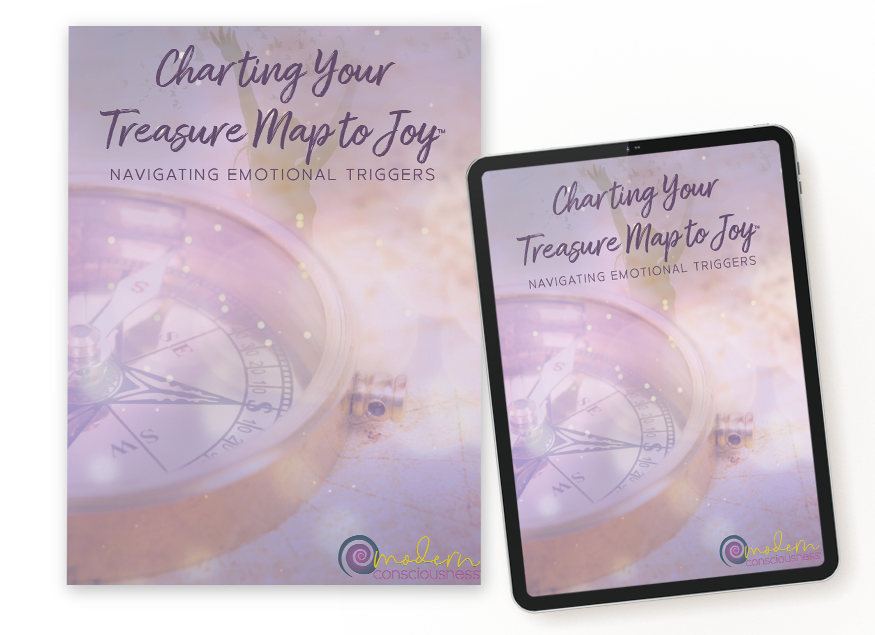
Click the link below to get your copy. It’s free, created with love, and waiting to meet you exactly where you are.
With all my heart,
Stacie


